Meta Borrowed $27bn Without Borrowing It. This Week, the Bond Hit a Record Low
Hyperion is the AI data center Meta is building in Louisiana, and it was financed through the largest private credit deal on record. What it is, why lenders want assets like it, and why its bond now trades at 94 cents.
Private Credit Prep desk25 September 20265 min read16 sources, listed at the end
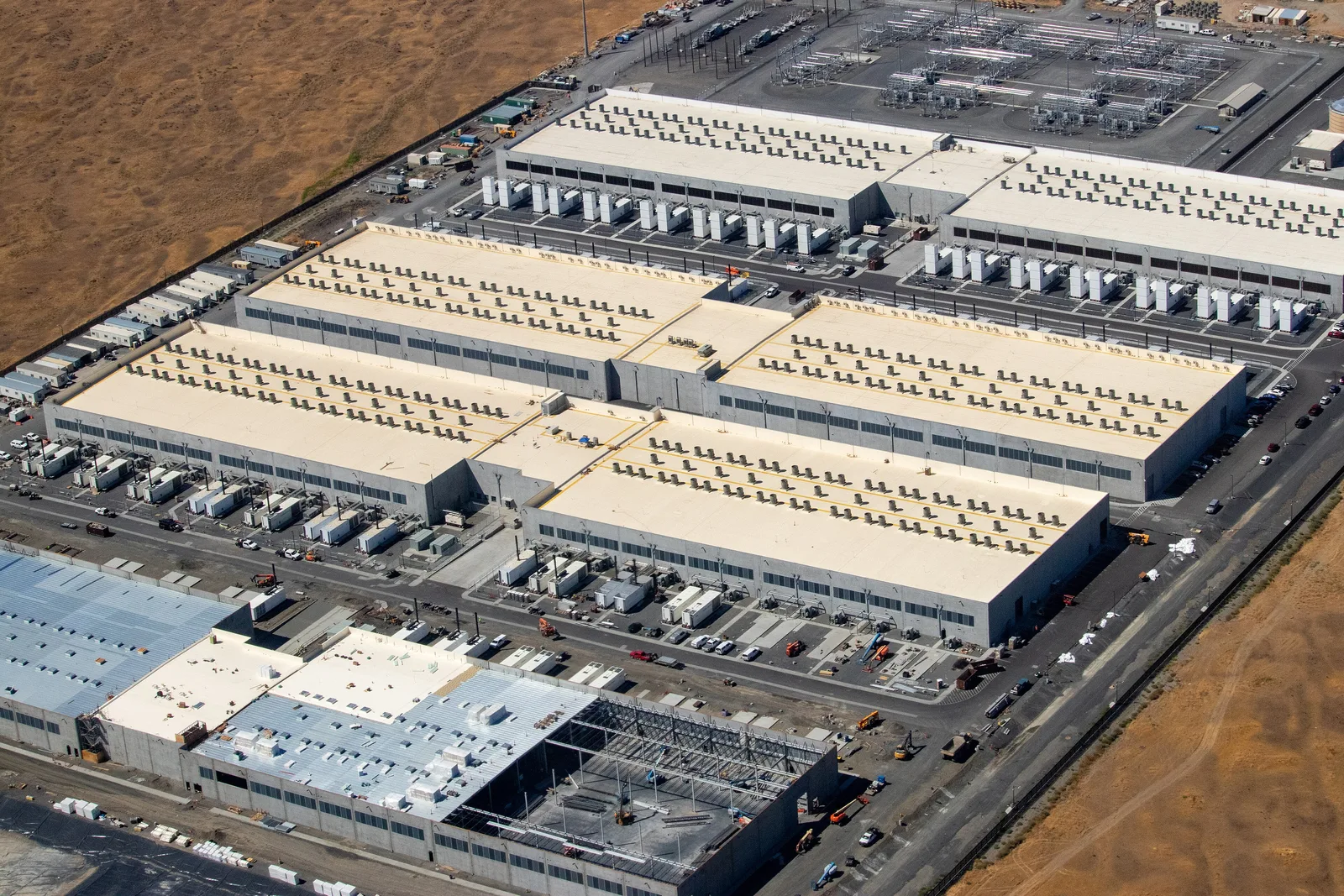
On 23 September 2026, Meta's shares rose 9%, their best day in a year. The same day, the $27.3bn bond that pays for its biggest data center fell to 94.4 cents on the dollar, the lowest since it was sold [1]. To see why a bond moves against its own borrower, start with what the bond paid for.
What Hyperion is
Hyperion is the data center Meta is building in Richland Parish, a farming parish in north-east Louisiana, to train and run its artificial intelligence models [14][15]. When Meta announced the site in December 2024, it was a $10bn, 4 million square foot campus, already the largest in Meta's fleet [14]. By July 2026 the commitment had grown to more than $50bn and nearly 10 million square feet, with 5GW of computing capacity [15].
Mark Zuckerberg announced the name in July 2025, saying Hyperion would scale to 5GW over several years [3][16]. At peak, 7,500 people are building it; about 1,000 will run it [15].
“Just one of these covers a significant part of the footprint of Manhattan.”
A campus like this is two assets stacked on top of each other. The top layer is the chips and servers, which are replaced every few years. The bottom layer is land, buildings, power and cooling, which last decades. That bottom layer is what the bond finances [2][5].
Why lenders want data centers
Once a data center is built and leased, it behaves less like a technology company than like a toll road: its cash flow is rent, paid by a tenant that is usually one of the largest companies in the world, for as long as that tenant stays [2][7]. That is the kind of long, predictable cash flow a lender can size debt against.
And there is a great deal of it to finance. Morgan Stanley puts global data center spending at $2.9tn to 2028, of which $1.5tn cannot be paid from the hyperscalers' own cash flow, and it expects private credit to supply about $800bn of the gap [4].
Source: Morgan Stanley Research, Bridging a $1.5tr Data Center Financing Gap, 2025 [4].
Hyperion is the template for how that money is being lent. Understand it, and you understand where a large part of the next decade's private credit book will come from.
How Meta financed it without borrowing
In October 2025, Meta and funds managed by Blue Owl Capital formed a joint venture to own Hyperion [2]. Blue Owl's funds took 80% and put in about $7bn of cash; Meta kept 20% and took a one-time distribution of about $3bn [2]. The joint venture then borrowed through a vehicle called Beignet Investor LLC.
On 16 October, Beignet priced $27.3bn of senior secured bonds at 6.581%, maturing in May 2049 and amortising over their life [5]. Morgan Stanley ran the books alone [5]. PIMCO anchored the order with about $18bn and BlackRock bought more than $3bn [1][6]. It was the largest private debt offering ever sold [6].
Blue Owl funds
80% of the equity, about $7bn of cash [2]
Meta
20% of the equity, took a $3bn one-time distribution [2]
Hyperion joint venture · Beignet Investor LLC
Owns the campus in Richland Parish, Louisiana, and issues the bonds [2][5]
Sources: Meta [2], IFR [5], Fortune [6], Protos [1].
The structure turns Meta from borrower into tenant. Meta leases the campus under operating leases with a 4-year initial term and renewal options, and it guarantees the residual value of the campus for the first 16 years, with capped payments if it walks away [2]. The debt sits in a vehicle Meta owns 20% of, not on Meta's balance sheet [2][5].
Seen from PIMCO's desk, the trade is the mirror image of Meta's. It is an A+ credit, backed by rent from one of the largest companies in the world, paying about one percentage point more than Meta's own long bonds [5][7]. It comes in a size almost no borrower can offer, an $18bn ticket in a single bond [1]. And it amortises, so lenders are repaid year by year rather than in one payment in 2049 [5].
“Our AI ambitions will be realized through our ability to deliver the infrastructure to support it.”
Why pay more than Meta's own bonds
Two weeks later, Meta borrowed $30bn in its own name. Its bonds due 2045 pay 5.500% and those due 2055 pay 5.625%, rated Aa3 and AA- [7]. Hyperion pays 6.581% [5].
Sources: Meta free writing prospectus, 30 Oct-25 [7]; IFR [5]. Coupons at issue; maturities and structures differ.
The difference, close to one percentage point, buys two things: debt that does not appear in Meta's leverage ratios, and a lease Meta can leave after four years. However, the rating agencies did not treat the credit as separate. S&P rated the bonds A+, one notch below Meta, because the contract keeps the risk with Meta [5].
“Passing substantial credit risk to Meta during both construction and operation phases.”
Moody's took the argument further in February 2026. It counted $662bn of data center leases signed by five hyperscalers but not yet started, equal to 113% of their adjusted debt [8]. Meta itself disclosed residual value guarantees of up to $28bn on leases starting in 2029, none of it recorded as a liability [8].
“These structures are often backstopped by a significant off-balance-sheet guarantee from the lessee.”
One year later: 94 cents and a second deal
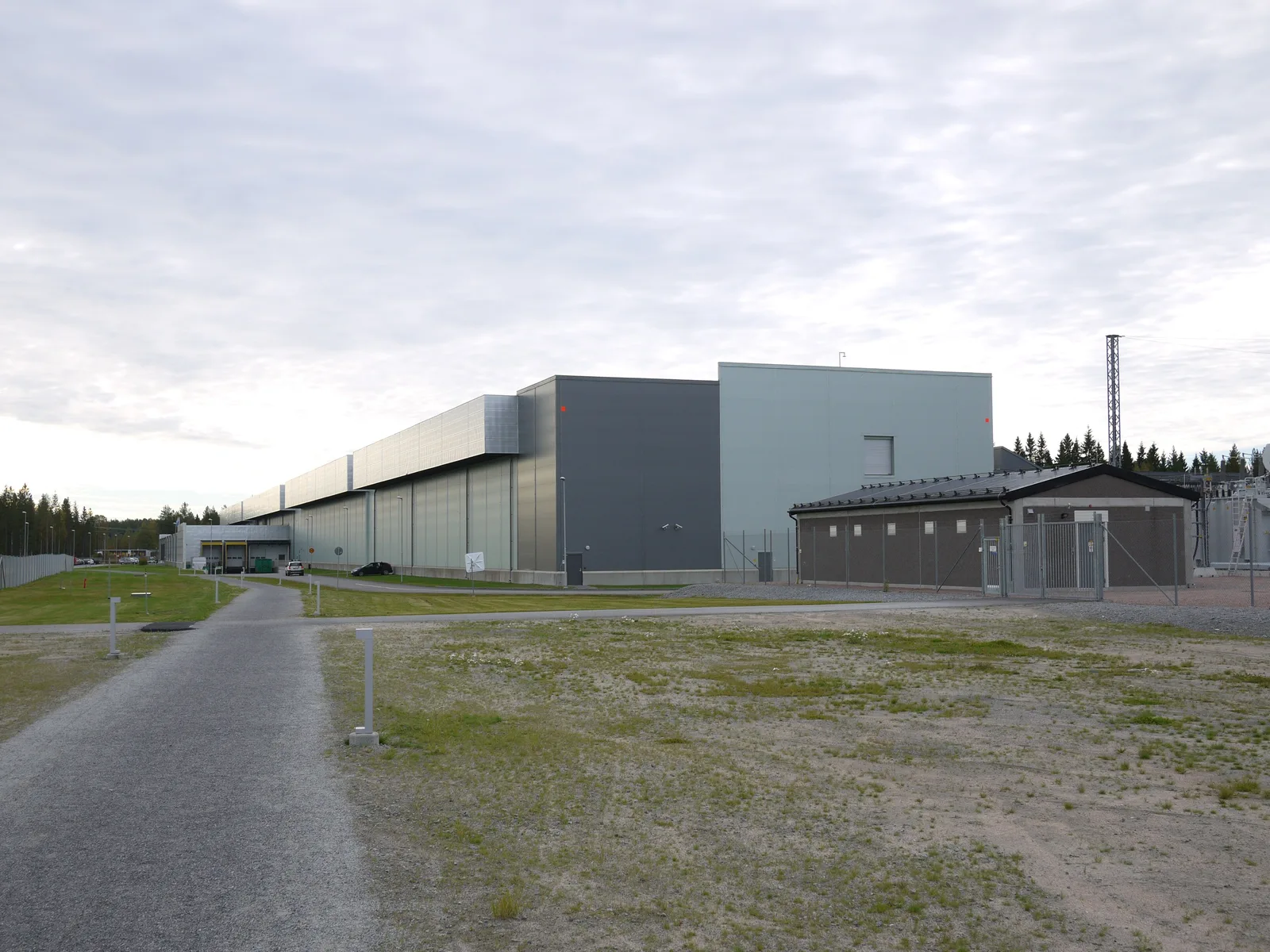
The bond first traded up to 110 cents [1]. By late July 2026 it was near 96, and on 23 September it hit 94.4, a paper loss of about $1bn on PIMCO's position [1].
Source: Protos, 23 Sep-26 [1]. Prices reported by trade; July level approximate.
The market had also seen a second deal. On 28 July 2026, Meta financed a 1GW campus in El Paso, Texas, through the same 80/20 structure, with BlackRock's infrastructure and private credit arms in Blue Owl's seat [10]. The $12.5bn of bonds priced at higher yields than Hyperion [11], about 40bp wide of Hyperion [12]. Repeating a template, it turns out, costs spread. For a candidate, those 40bp are the most useful number in the story: the market's first price for the structure itself, separate from Meta's name.
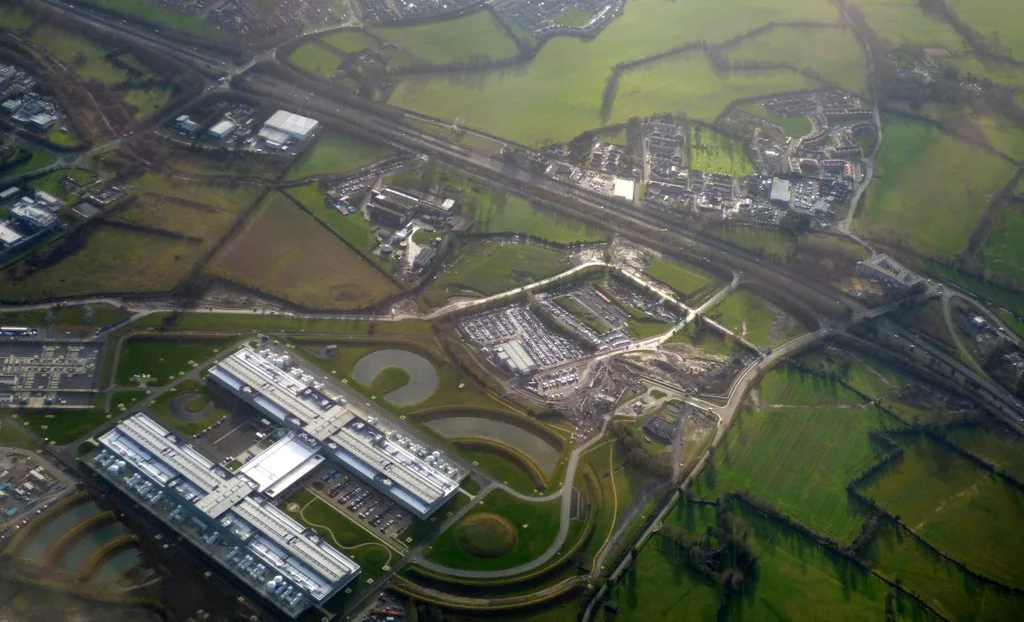
Blue Owl itself had a hard winter. In February 2026 it restricted redemptions from a retail private credit fund and sold $1.4bn of loans to pay investors [9]. That did not touch Hyperion's bondholders, whose money comes from Meta's rent. It did show who owns the equity in these vehicles.
The people behind the deal

Mark Zuckerberg
Chief Executive, Meta
Announced Hyperion in July 2025 as a campus that can scale to 5GW.
Susan Li
Chief Financial Officer, Meta
Presented the joint venture as the way to deliver the infrastructure behind Meta's AI plans.
Doug Ostrover and Marc Lipschultz
Co-Chief Executives, Blue Owl Capital
Their funds own 80% of the joint venture and put in about $7bn of cash.

Larry Fink
Chairman and Chief Executive, BlackRock
BlackRock bought more than $3bn of the bonds, then took the 80% stake in Meta's next campus, in El Paso.
Teddy Hodgson
Global Co-Head of Investment-Grade Debt Capital Markets, Morgan Stanley
Morgan Stanley was sole bookrunner on the bonds and adviser on the joint venture structure.
What could go wrong
The lender's risk sits in the gaps between four clocks. The lease runs four years before Meta must renew [2]. The guarantee runs 16 [2]. The bonds run to 2049 [5]. The servers inside have a useful life that Moody's puts at four to six years [8].
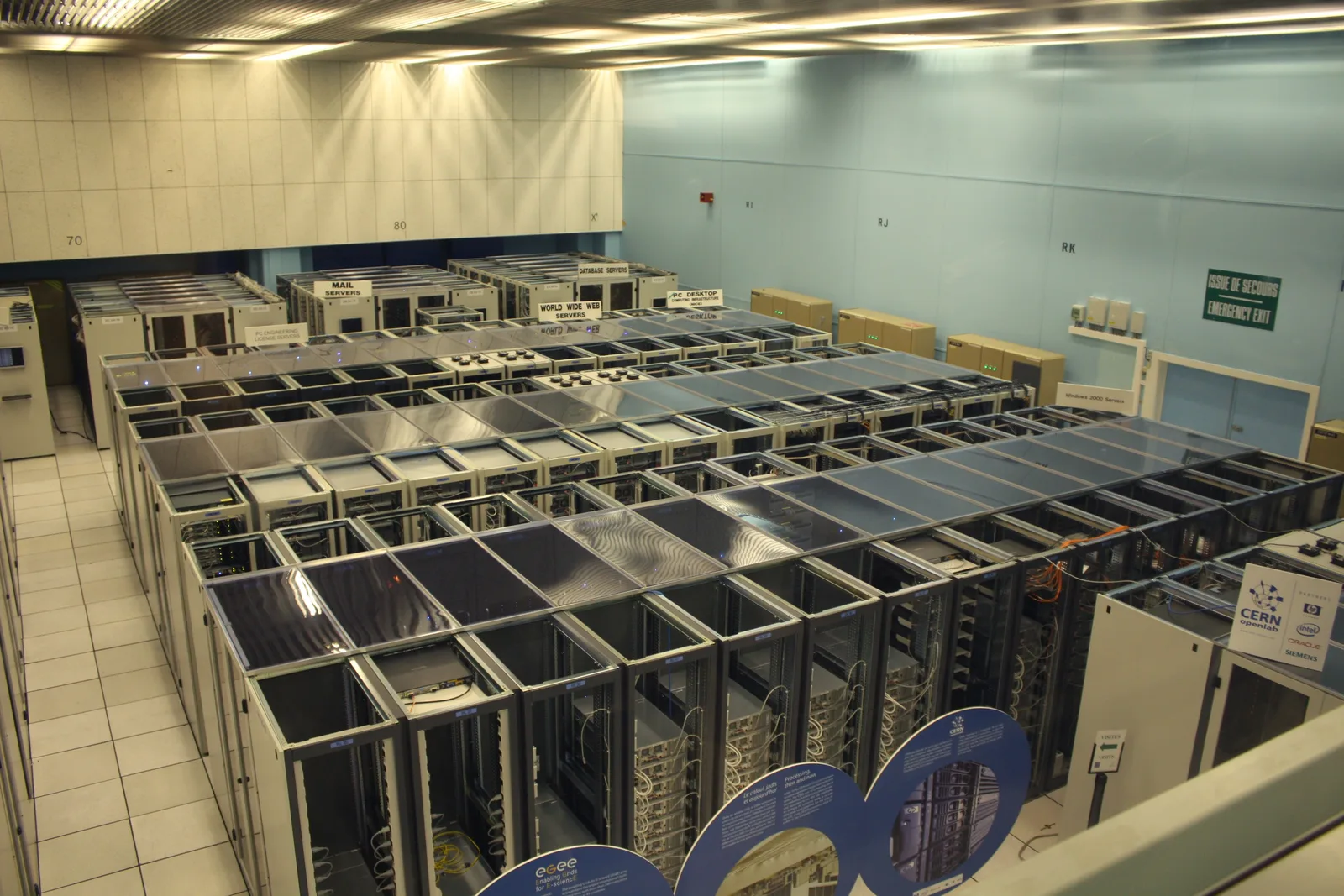
In the base case, Meta renews, the campus stays full and the bonds amortise on schedule. In the bear case, a cheaper chip or a smaller model makes part of the campus surplus in the 2030s, Meta pays out under a capped guarantee, and the bondholders own a building whose tenant has left. Critics quoted by Fortune compare that outcome with the dark-fibre overbuild of the 1990s: capacity sitting idle while the debt remains outstanding [6].
The price already says lenders want more for the second deal than they accepted for the first [11][12]. Our read, which could prove wrong: by the end of 2027, at least one more hyperscaler will finance a campus through the same 80/20 structure, and it will pay a wider spread than Hyperion did.
Sources
- [1]Protos, Meta's AI bond just hit a record low as its stock soared, 23 September 2026.
- [2]Meta, Meta Announces Joint Venture with Funds Managed by Blue Owl Capital to Develop Hyperion Data Center, 21 October 2025.
- [3]TechCrunch, Mark Zuckerberg says Meta is building a 5GW AI data center, 14 July 2025.
- [4]Morgan Stanley Research, Bridging a $1.5tr Data Center Financing Gap, 2025.
- [5]IFR, Financing Package: Blue Owl Capital/Beignet Investor's US$27.3bn 23.6-year bond, IFR Awards 2025.
- [6]Fortune, Meta's $27 billion bet turns AI compute into Wall Street's hottest new investment, 31 October 2025.
- [7]US Securities and Exchange Commission, Meta Platforms, Inc., free writing prospectus for $30bn of senior notes, 30 October 2025.
- [8]Fortune, Moody's on $662bn of hyperscaler data center lease commitments, 25 February 2026.
- [9]CNBC, Blue Owl curbs investor liquidity following private loans sale, 19 February 2026.
- [10]The Next Web, BlackRock raises $12bn for Meta's El Paso data centre, 22 July 2026.
- [11]MarketScale, AI data center debt is getting more expensive, and Meta's $12.5 billion El Paso deal proves it (after The Wall Street Journal), 17 August 2026.
- [12]ElectronEconomics, Meta's El Paso bond priced 40 basis points wide of Hyperion, 21 August 2026.
- [14]Meta Data Centers, Hello, Louisiana!, 4 December 2024.
- [15]Louisiana Economic Development, Meta Commits More Than $50 Billion for North Louisiana Project, Becoming One of the Largest Data Centers in History, 13 July 2026.
- [16]ITPro, Meta is working on a 5GW data center to supercharge AI infrastructure, 16 July 2025.
- [13]CNBC, Meta's Louisiana data center investment to reach $50 billion, aided by generous tax incentives, 13 July 2026.